



Jamaican musicians have historically been masters of pushing the creative envelope, not just within their own genres like Reggae and Dancehall, but by influencing global music, demonstrating the power of fresh sounds, unexpected collaborations, and fearless innovation.
Here are the ten tips, reframed with examples from Jamaican music to show how these principles are applied in a culturally rich and globally impactful context.
10 Ways Jamaican Artists Push the Creative Envelope in Songwriting
1. Refine Lyrics for 'Wow' Moments
Print a draft of your lyric and circle every predictable or mundane line—anything that's "good" but not "wow." One line at a time, replace those "good" lines with exceptional, original, and unexpected phrases. For a powerful example, look at the lyrical genius of Bob Marley.
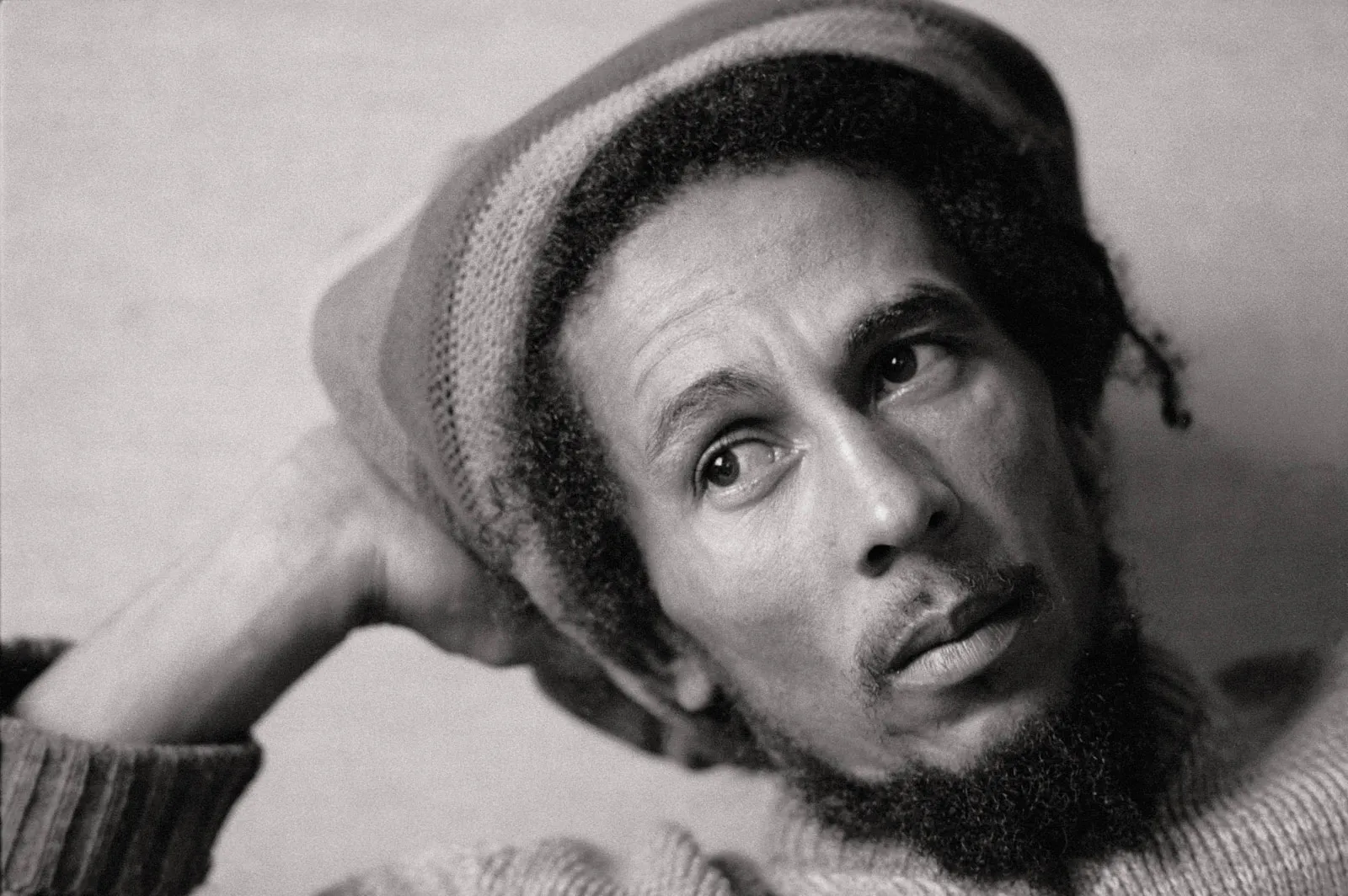
He rarely used clichés, instead weaving social commentary, spiritual depth, and vivid imagery into simple, yet profound, language. Songs like "Redemption Song" use phrases like "Emancipate yourselves from mental slavery," which is an undeniably "wow" line that is both a powerful message and an original expression.
2. Envision the Artist's Next Evolution
Successful artists constantly evolve. Imagine writing for a specific artist (or yourself). Listen to their most recent work, then ask: What is the next phase for them? What fresh grooves, sounds, or international influences could they incorporate?
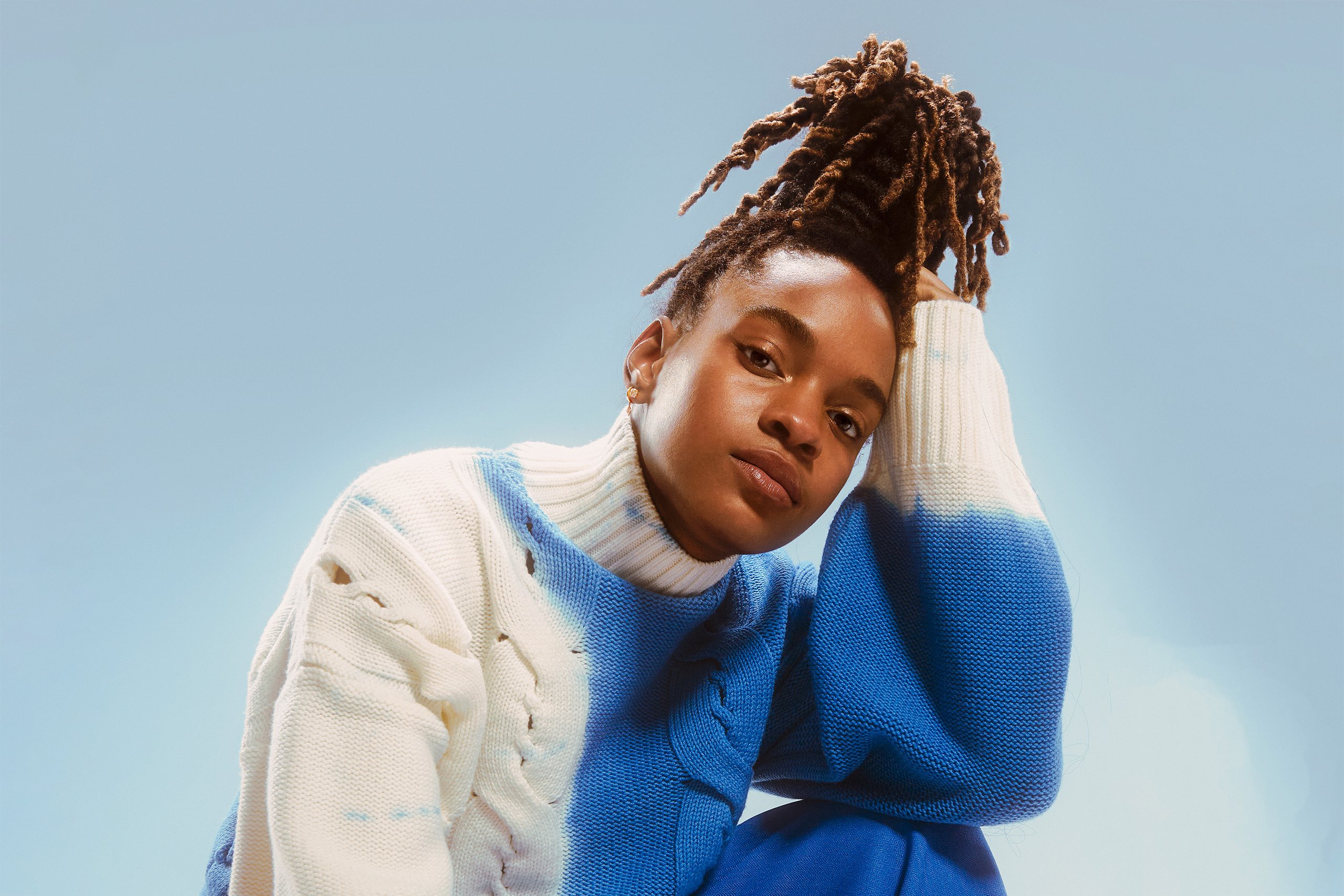
Think of artists like Koffee or Protoje. They are constantly blending classic Roots Reggae with modern Hip-Hop, R&B, and Trap elements, creating a sound that is both authentic and globally accessible. When writing for them, you'd consider not just a traditional Reggae rhythm, but perhaps a different time signature or a more sparse, contemporary production style they haven't yet mastered, like incorporating the melodic structure of Afrobeat into a Dancehall tune.
3. Explore Novel Topics and Angles
Not every song has to be a love song. If you do write about love, find a novel angle. Jamaican music is rich with songs about social justice, spirituality, and everyday life.
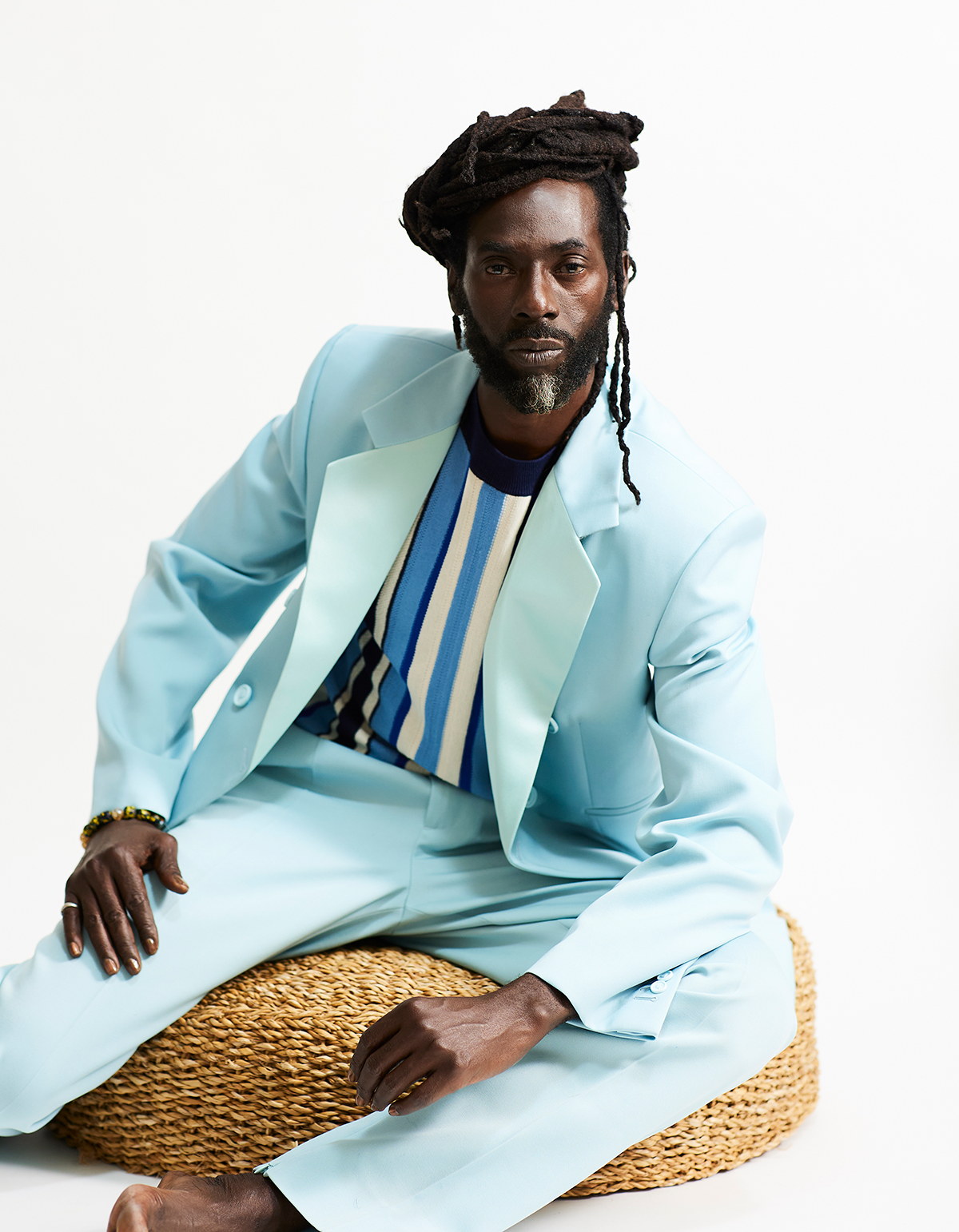
Consider Buju Banton's catalogue, which often tackles heavy social and political themes with a depth few mainstream artists attempt. Or look at Vybz Kartel, whose influence lies partly in his fearless exploration of controversial or very specific, detailed street narratives that few others were covering, providing a raw and often shocking lyrical perspective that commands attention.
4. Incorporate an Attention-Grabbing Note
A well-placed, unexpected high or low note can make a melody unforgettable. This note provides a moment of drama that sets your song apart.

Listen to the vocal dexterity and unexpected melodic leaps in a Tessanne Chin or Jah Cure song. While not always a single note, the way a vocalist like Dennis Brown would unexpectedly soar into a falsetto in a seemingly simple line is a hallmark of great Reggae singing, creating a soulful, emotionally charged "magic note" that hooks the listener.
5. Feature an Unexpected Instrument or Sound
Incorporate an instrument or sound not typically heard in the song's genre to set it apart.
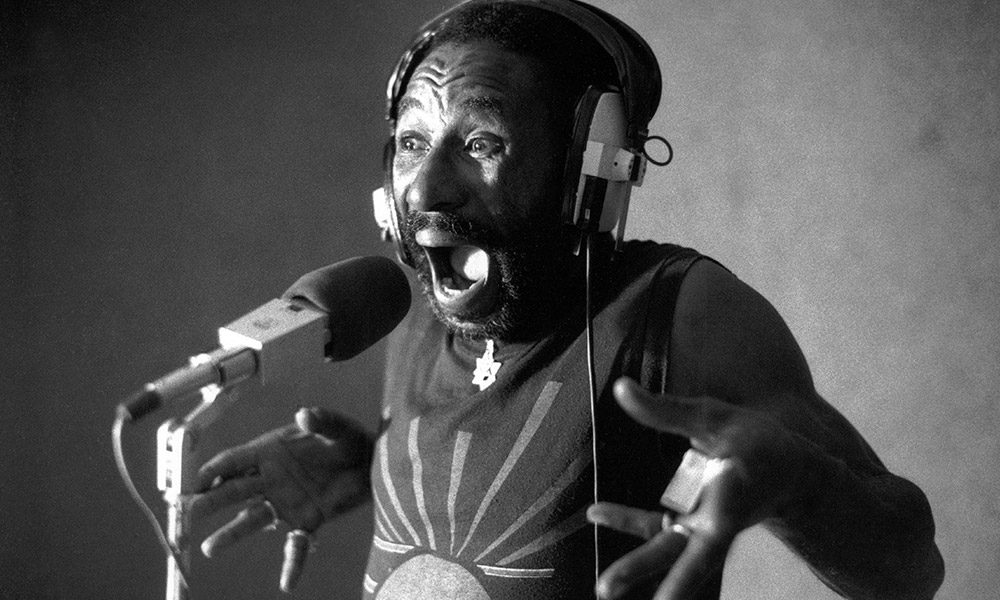
Think about the unique textures that pioneers like Lee "Scratch" Perry or King Tubby brought to Dub.They weren't just adding an instrument; they were using the mixing board itself as an instrument, manipulating echo, reverb, and delays in ways that had never been heard before, which is the ultimate form of this technique. More recently, using an unexpected, heavily synthetic EDM-style bass drop or a Trap hi-hat pattern in an otherwise classic Dancehall track, as seen in some of the more progressive riddims, achieves this same effect.
6. Build on a Fresh, Unexpected Angle
Use a profoundly original angle to build your lyric, being careful not to hit the message too squarely on the head. The angle should make the listener pause and think.
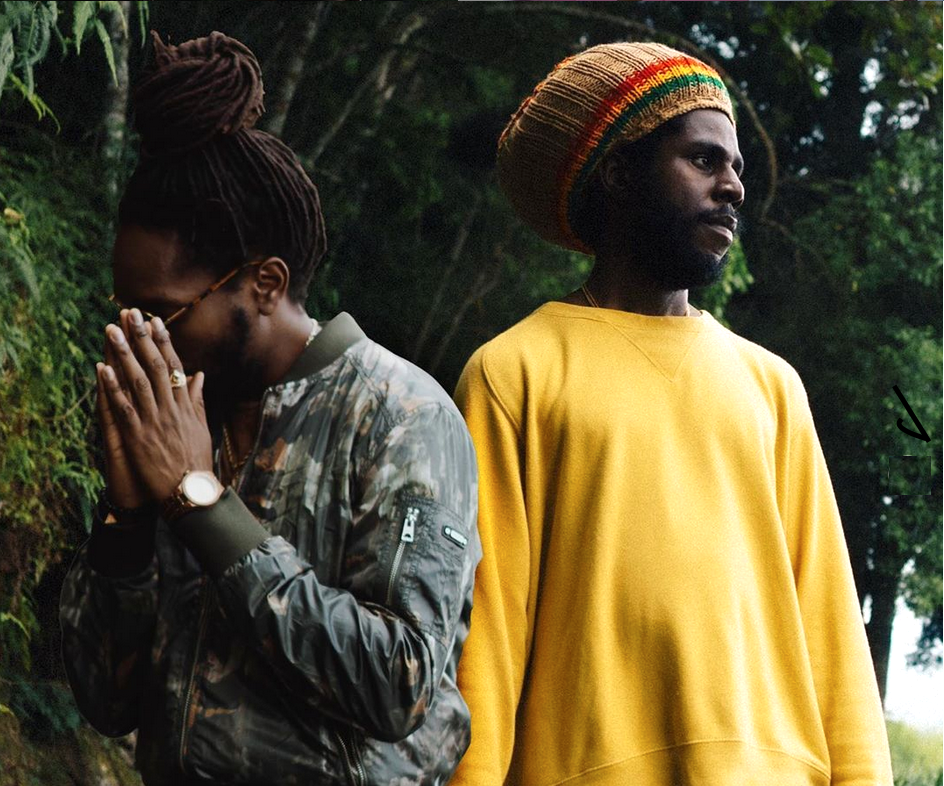
A fantastic example is the work of Chronixx or Kabaka Pyramid. Their songs often use parables or metaphor rooted in Rastafari livity and Jamaican culture to comment on modern issues. Instead of simply saying "be strong," a song might build an entire narrative around a specific struggle or historical figure to convey strength and resilience through a powerful, original lens.
7. Expand Your Circle of Collaborators
Work with different co-writers, producers, and artists, especially those from varying genres. New collaborators can challenge you to step outside your comfort zone.

Sean Paul is a master of this. His decades-long career is dotted with strategic collaborations that pushed his sound—from working with international Pop stars like Dua Lipa and Sia to working with Dancehall royalty like Buju Banton. These collaborations forced him and his team to adapt his unique vocal style to new sonic landscapes, resulting in global crossover hits.
8. Incorporate Unexpected Chords
Try different chords and see how they impact your melody, incorporating an unexpected chord that provides a "wow" moment.
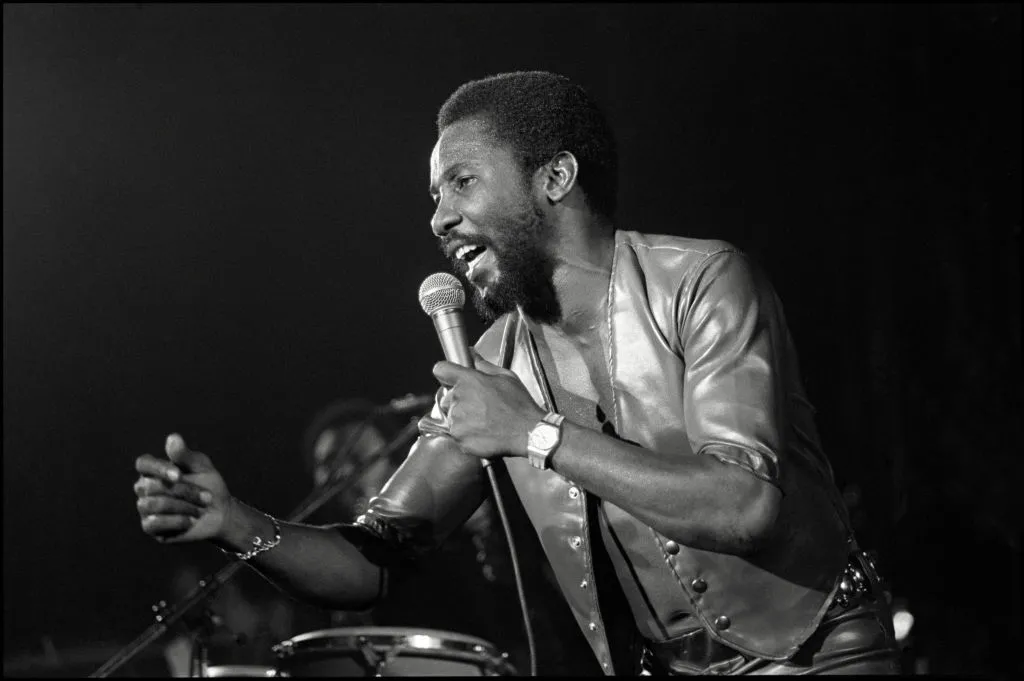
The sophistication of foundational Rocksteady and early Reggae comes from this very technique. While many early hits used simple chord progressions, artists like Toots and the Maytals often infused their music with unexpected Blues-influenced chord changes that gave their songs a unique, emotional complexity. Look to modern artists who blend Jazz harmony into Reggae, giving their arrangements an unpredictable, rich quality.
9. Create a Hybrid of Musical Styles
By combining elements of different musical genres, you can create something completely new.
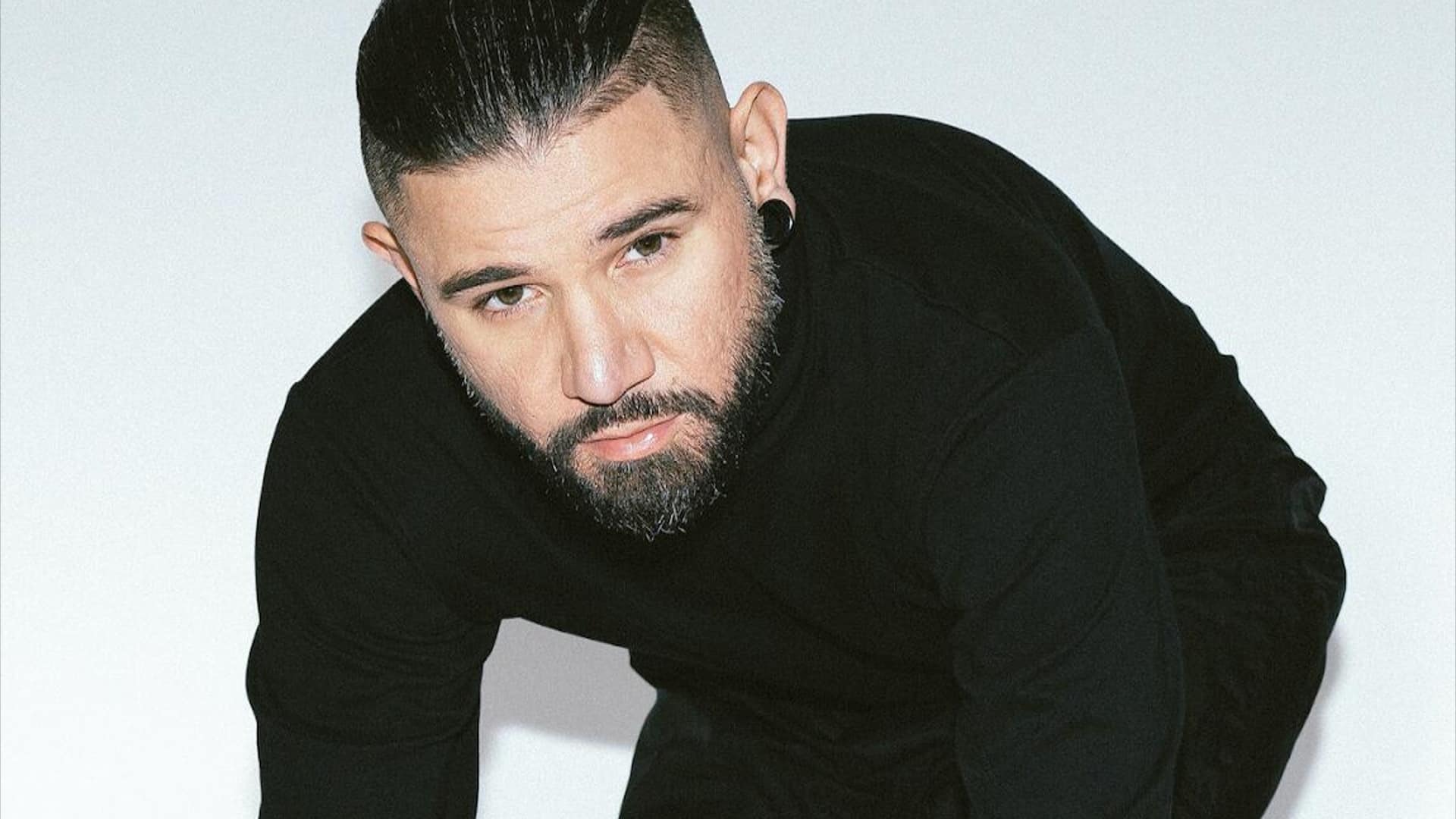
This is the essence of modern Jamaican music. Ska was a blend of American R&B and traditional Mento. Reggae was a slowed-down, bass-heavy evolution of Rocksteady. Today, artists frequently hybridize: Afrobeat-Dancehall fusions, Trap-Dancehall, and the blending of Roots Reggae with high-gloss Pop production are all examples of this. Skrillex's collaborations with Jamaican artists also show how Electronic Music can be seamlessly merged with Dancehall rhythm to create globally dominant hybrids.
10. Write Without Self-Censorship
Set a timer and write whatever you feel for twenty minutes without censoring or criticizing anything. Go too far. You can always revise later, but the goal is to unlock unfiltered creative ideas.
Many of the most iconic Dancehall toasting or "Deh-ya-de-ya" (scatting) moments by artists like Shabba Ranks or Beenie Man likely come from this place—a raw, stream-of-consciousness delivery that captures an uninhibited energy. This process is key to finding that spontaneous, groundbreaking idea that might otherwise be filtered out by overthinking.
The greatest Jamaican music, from Bob Marley's global anthems to Vybz Kartel's street anthems, shares one thing: a refusal to sound exactly like what came before. It is always innovating.
Which of these ten points feels like the biggest challenge for you to try in your own songwriting?