



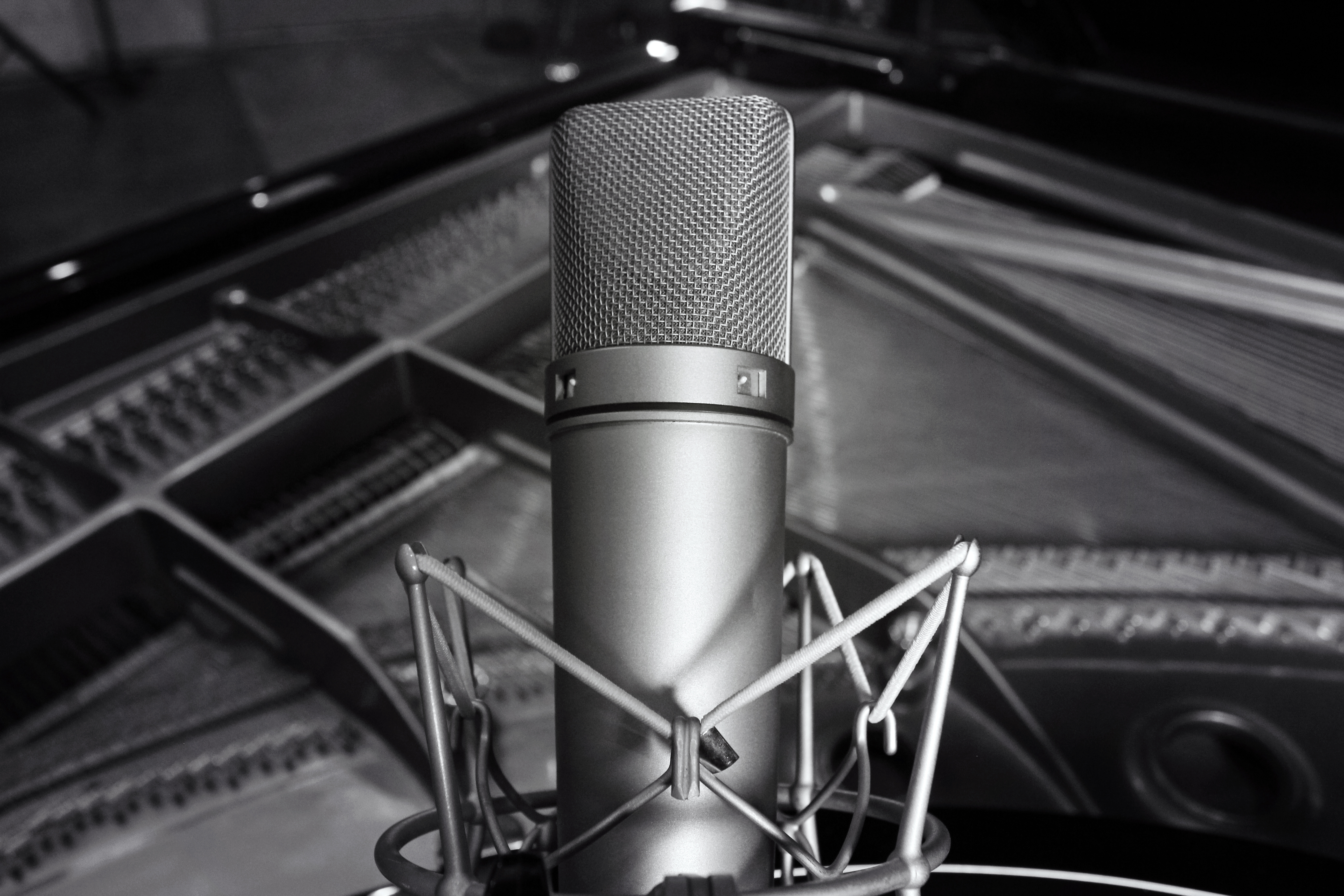
Recording studio vocals can be an unnerving, unnatural experience, particularly if you’re accustomed to playing and singing at the same time. Therefore, why not just do that?
I was talking about recording some new demos live in the studio to capture that unique sonic menagerie that only happens when the artist is really hitting it at once. We did it to get that vibe, that energy—and man, did we ever get it.
But it was during those playback sessions that something unexpected hit me. The vocals had this organic, fluid quality that's so often missing when you're just standing there overdubbing to a finished rhythm track. Sure, some of that was the happy accident of a little leakage from the drums and amps next door. But as I listened closer, I realized the real magic wasn’t technical; it was psychological. It was about the act of playing and singing at the same time.
And that’s when the profound idea hit me: since most of us writers—including me—compose songs while accompanying ourselves on the guitar or keyboard, and then perform the finished works the exact same way, why in the world do we always insist on standing empty-handed in front of a big, scary studio mic while singing along to a "canned" backing track?
It sounds crazy, but the key to a great vocal isn't just the right preamp or the hottest condenser mic; it’s about practical psychology. It’s about getting the singer (which, this time, was me) out of their head and into the performance.
So, here's what I stumbled upon during those sessions, and what I now consider a golden rule for getting a killer vocal take:
Getting Out of Your Head and Into the Mic
1. The Daring: Record the Vocal Track Live
I know, it's the most daring approach, and it requires the singer (and the whole band) to nail the take from start to finish. Any bleed from the adjacent instruments will make punching in later a nightmare. But as I found out, the reward is an unbelievably fluid performance. You have to be willing to accept that the raw energy and feeling of that single moment trumps technical perfection. This is where the magic lives.
2. Keep Those Hands Busy
If you prefer to overdub the finished track—which, let's face it, is safer—you still need to trick your brain. I started strapping on an unplugged electric guitar or sitting down at a digital piano with the volume on low, and playing along while the track was rolling. This wasn't just to occupy my hands; it was to let me approach the song as a live performance. I got so obsessed with replicating that feel, I even built a compact wooden stage in my studio just to trick myself into thinking I was back in a small club. It works.
3. The Comfort Factor is Everything
Putting an inexperienced singer (or even yourself, after a long day of overthinking) in a huge room with nothing but a giant, intimidating recording microphone is a recipe for paranoia. That whisper of "oh boy, this is the take, I’d better get it right!" is a performance killer.
So, I swapped out the technical choice for the psychological one. I started using a plain old, non-threatening Shure or AKG dynamic performance mic. For some songs, I'd even use a hand-held mic and wander around the room while tracking. Sure, technically a studio condenser is the logical choice, but I learned that you can't discount the benefits of making the singer feel as comfortable and unthreatened as possible. The slight drop in technical spec is more than offset by the massive jump in performance quality.
The big takeaway here is that a vocal take is a performance, not a scientific experiment. It's time we stopped treating the studio like a laboratory and start treating it like a stage.